Many analysts are asking whether other powers could take advantage of this moment to alter the global balance of power.
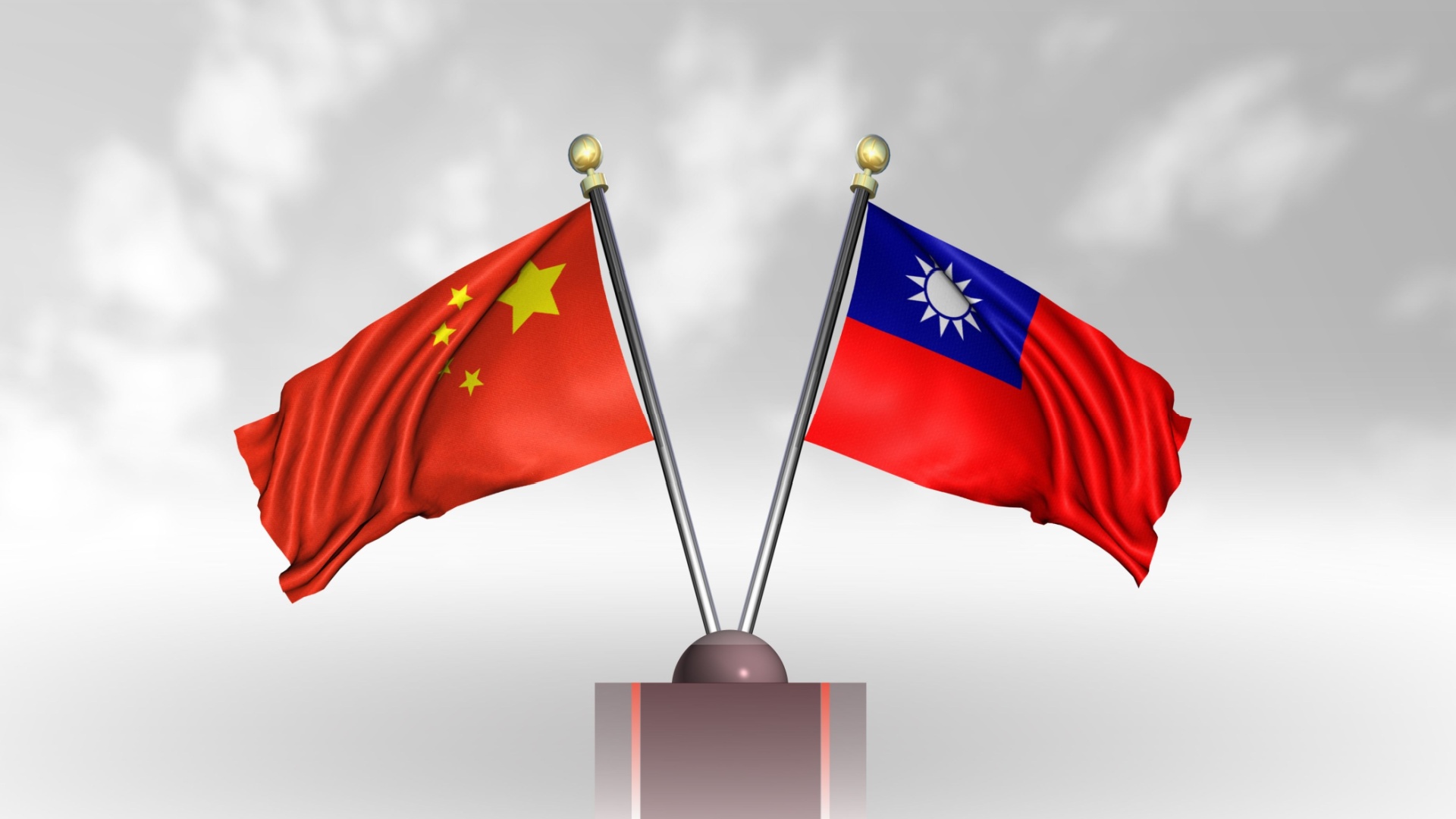
One of the most discussed scenarios is what could happen if China decided to act against Taiwan while Washington is focused on the Middle East, and at the same time North Korea attempted to exploit the situation on the Korean Peninsula. To understand this possibility, it is necessary to first examine the strategic context. The rivalry between the United States and China has grown steadily in recent years, particularly over the future of Taiwan. For Beijing, the island is part of its territory and its reunification is a long-term strategic objective. For Washington and its allies, Taiwan represents a key element in maintaining the military and technological balance in Asia.
If the United States were deeply involved in a war with Iran, some strategists believe China might perceive a “window of opportunity.” A conflict in the Middle East consumes enormous military resources: aircraft carriers, fighter jets, intelligence capabilities, and logistical capacity. In theory, such a distraction could reduce the United States’ ability to respond quickly in the Indo-Pacific during a critical period. However, an invasion of Taiwan would not be a simple operation. The strait separating mainland China from the island is about 180 kilometers wide, meaning any attack would involve one of the largest amphibious operations in modern history. Chinese forces would have to cross the sea under enemy fire, land troops, secure ports and airports, and confront a Taiwanese military prepared to defend its territory. In addition, it is very likely that U.S. allies, particularly Japan, would participate directly or indirectly in the defense of the island.
Another key factor is economic. China depends heavily on international trade. A war over Taiwan would likely trigger massive sanctions, disruptions to maritime trade, and a major impact on the global economy. This means that any decision of this kind would carry enormous consequences not only militarily but also financially and commercially. Meanwhile, some analysts believe that a large-scale crisis could create additional tensions on the Korean Peninsula. The regime in North Korea has historically used moments of international uncertainty to increase military or political pressure. This could include missile tests, demonstrations of force, or limited military incidents near the border with South Korea.
A more extreme scenario would involve North Korea attempting to exploit U.S. distraction by launching limited military actions against the South. However, a full-scale war would be extremely risky. South Korea possesses technologically advanced armed forces, and the U.S. military presence in the region acts as a powerful deterrent. Moreover, a larger conflict could escalate rapidly and threaten the survival of the North Korean regime itself. Regarding Japan, it is likely to become a key actor in any regional crisis. Japan hosts major U.S. military bases and maintains a highly developed navy and air force. In the event of a conflict involving Taiwan or the Korean Peninsula, Japanese territory would be essential for regional defense and logistics. On a global level, the simultaneous emergence of several conflicts — in the Middle East, Taiwan, and Korea — would represent the greatest geopolitical crisis since the Second World War. The consequences could include disruptions to global trade, energy crises, financial instability, and a deep division of the international system into rival blocs.
Even so, most analysts believe the most likely scenario is not an immediate full-scale war, but rather an intensification of strategic competition: increased military pressure on Taiwan, more missile tests on the Korean Peninsula, and a growing rivalry between the major powers. The current international balance is sustained by a combination of military power, global economic interdependence, and nuclear deterrence. For that reason, although risks exist and tensions continue to rise, any decision that leads to a direct conflict between major powers would be one of the most consequential and dangerous events in modern history.