AI Revolution Transforms Global Industries in 2026
Artificial intelligence continues to reshape business, healthcare, and education as adoption accelerates worldwide.
Monday, March 16, 2026
21 views
Share:

The artificial intelligence revolution continues to accelerate in 2026, reshaping industries at a pace rarely seen in technological history. From advanced medical diagnostics to sophisticated financial modeling, AI systems are increasingly integrated into the core operations of companies and institutions around the world.
According to recent estimates highlighted by the World Economic Forum, the adoption of artificial intelligence technologies has surged dramatically in recent years, with emerging economies showing some of the fastest growth. Businesses are using AI not only to improve efficiency and productivity but also to unlock entirely new forms of innovation.
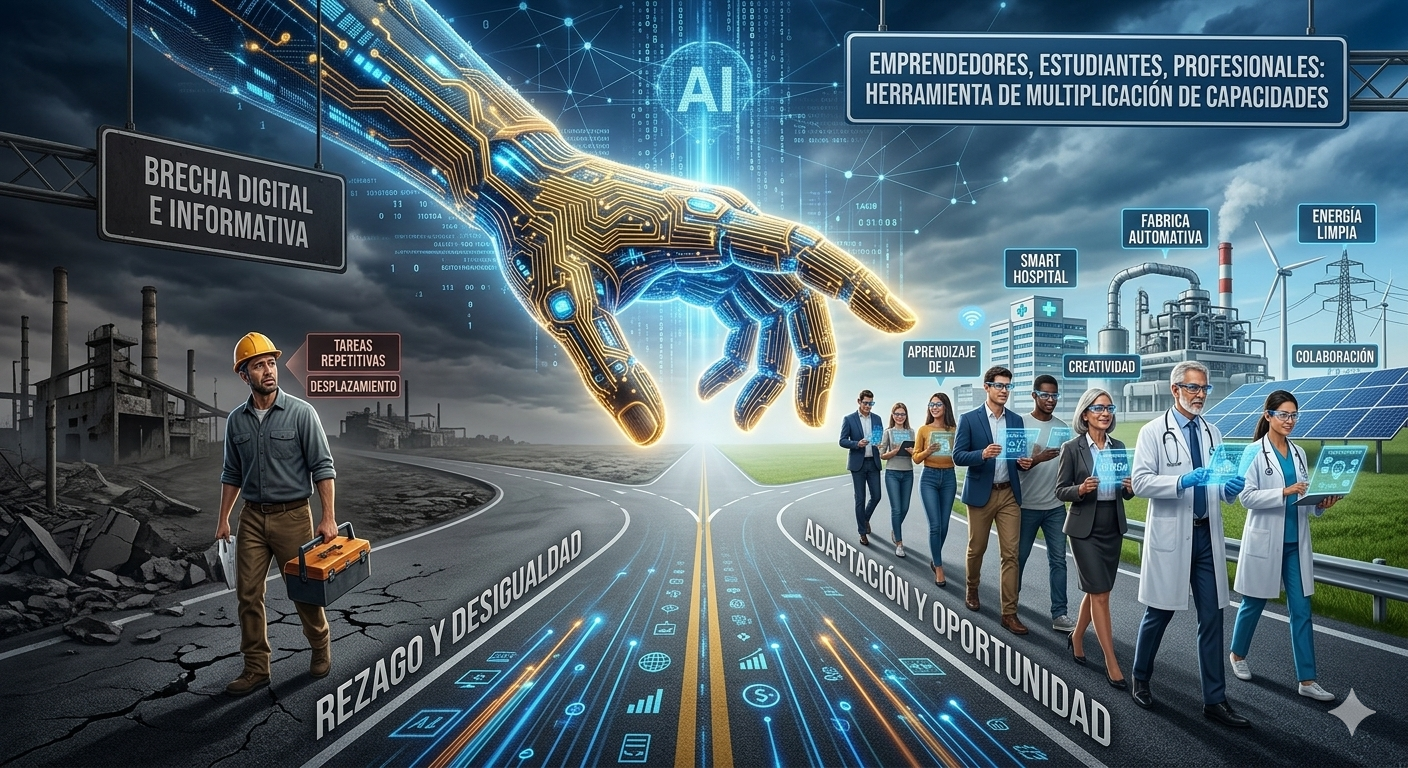
However, the rapid expansion of AI is also transforming the global labor market. While the technology is creating new professional roles in fields such as data science, automation engineering, and AI governance, it is simultaneously reshaping or replacing more traditional job functions. For policymakers, companies, and workers alike, the challenge now lies in adapting to an economic landscape increasingly driven by intelligent systems.
Share:
Don't miss the latest news
Subscribe to our newsletter and receive the most important stories directly in your inbox.